Майкл (2026)
Подробная информация
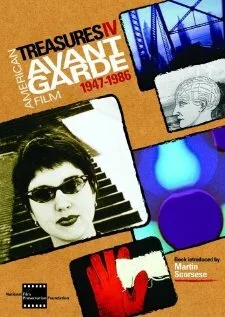
нью-йоркские мосты стали источником поэтических и живописных образов — несколько «отстраняя» их, Кларк использует контрастные кадры, необычные ракурсы и наплывы для создания ощущения невесомости и «нематериальности» этих архетипических продуктов материальной культуры
(из «Маги и радикалы. Эволюция американского экспериментального кино»)
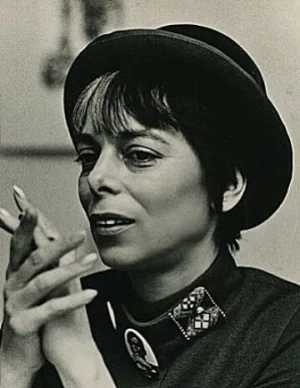
In the late 1950s, Clarke was hired by Willard Van Dyke to produce several «sponsored films» for the 1958 Brussels World Fair. Bridges-Go-Round was taken from footage shot for one such film, Bruxelles Loops (1957). The film represents a study on perpetual motion achieved through camera panning, rhythmic editing, and flipping and layering the same scenes shot from different points of view. A static figure Π a bridge- is transformed into a somewhat abstract, active creature by the camera and the idea of «choreography in editing» or as Clarke once said, «you can make a dance film without dancers». Using the magic of film to set Manhattan’s bridges free from their moorings, Clarke sends them on a dizzying carousel ride around the city.
By Clarke’s request the film appears twice: first accompanied by an electronic soundtrack by Louis and Bebe Barron and second with jazz performed by Teo Macero and his ensemble. It is her feeling that sound, so essential to music and movement, greatly alters the experience of viewing the dance. These soundtracks are often credited for altering the viewers perception of the images.
imdb